
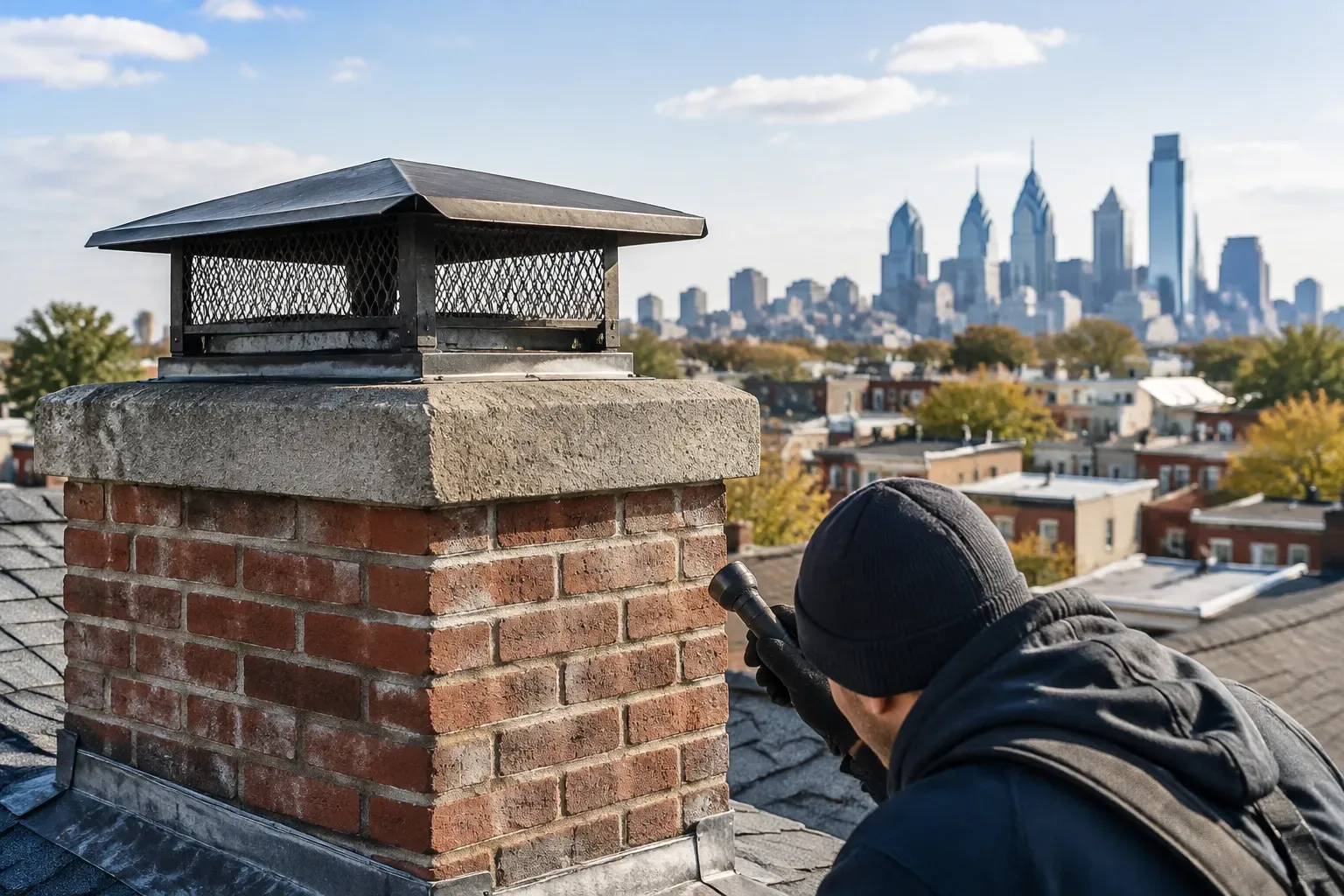
What Should Fern Rock Homeowners Check Before Chimney Cleaning?
Before arranging chimney cleaning, identify every appliance that vents into the flue, check for smoke spillage, odors, visible debris, water damage, or masonry deterioration, and gather any records from past cleaning or repairs. Clear the fireplace area, make sure the appliance has cooled completely, and tell the provider about roof-access limits, pets, alarms, parking, and any recent changes in performance.
For Fern Rock households, routine sweeping may be appropriate, but it is not a substitute for assessing a damaged liner, loose masonry, water entry, or an unsafe appliance connection. If you see a serious warning sign, stop using the appliance until it can be evaluated.
Quick Answer
Check the appliance type and flue connections, the last known service date, indoor warning signs, accessible exterior conditions, and appointment logistics. Ask whether the visit includes cleaning only or a chimney inspection as well. Cleaning removes deposits and debris, while an inspection can identify conditions that cleaning does not correct.
For a starting point on chimney-related service information, visit Tiptop maintenance and describe the appliance, symptoms, and access conditions when requesting an appointment.
Which warning signs mean you should stop using the fireplace or appliance?
A symptom is not a diagnosis, but some observations should change the plan from routine cleaning to prompt evaluation. Stop using a fireplace, stove, or connected heating appliance if you notice:
- Smoke entering the room instead of moving up the flue.
- A strong, persistent smoky or unusual odor from the fireplace or chimney area.
- Fallen brick, tile, metal, nesting material, or other debris in the firebox.
- Visible damage around the flue opening, damper, or firebox.
- Signs of a possible chimney fire, such as an unusually loud event during use, cracked flue material, or new damage afterward.
- A carbon-monoxide alarm activation or symptoms that could suggest combustion-gas exposure.
These signs can have more than one cause. Smoke spillage, for example, may relate to a blockage, a drafting issue, a closed damper, an appliance problem, or a condition outside the chimney itself. The NFPA's chimney fire safety guidance supports addressing fire hazards and maintaining heating equipment safely rather than continuing to use a system with concerning signs.
If there is an active safety concern or visible failure, use a provider equipped to discuss 24/7 chimney emergency services in Philadelphia instead of treating the appointment as ordinary sweeping.
What should you identify about the chimney before scheduling?
The most useful information is often simple: what uses the flue, when it was last serviced, and what changed since then. A chimney can serve more than one appliance, and the fuel type affects the questions a technician needs to ask about deposits, venting, liners, and safe operation.
Wood-burning fireplace or stove
Note how often it is used, the type of wood burned, any smoke odor, and whether you have noticed black, flaky, or glazed deposits. Creosote is a combustible residue that can build up from wood smoke.
Gas fireplace or gas appliance
Identify the appliance and whether it vents through the chimney. Gas systems can still have venting, liner, connection, or obstruction concerns, even though their deposits differ from wood-burning systems.
Oil-fired equipment
Share the equipment type and service history. Oil combustion can leave residues, and a technician needs to know whether the chimney is dedicated to that appliance.
Other solid-fuel appliance
Tell the provider if a pellet, coal, or other solid-fuel appliance connects to the flue. Fuel and appliance details affect the appropriate cleaning and inspection questions.
Also collect prior cleaning reports, inspection notes, liner work, cap or crown repairs, waterproofing records, and any photos of past concerns. Unknown history is still useful to disclose. It tells the provider that the condition and configuration need to be verified rather than assumed.
Does chimney cleaning also include an inspection?
Not necessarily. Sweeping focuses on removing soot, creosote, and accessible debris. An inspection assesses the chimney and connected venting system for damage, obstructions, and other conditions that may not be apparent during cleaning. The Chimney Safety Institute of America explains the role of chimney inspections and why an inspection can reveal issues beyond deposits.
Ask these questions before booking:
- Is the appointment for cleaning only, or will it include a visual inspection?
- Will the technician check the flue, liner, damper, firebox, and accessible connection points?
- What happens if a blockage, damaged liner, or masonry defect is found?
- Will significant findings be documented and separated from any recommended repair work?
Cleaning helps when deposits or routine debris are the issue. It does not repair a cracked crown, failing mortar, deteriorated liner, or an appliance connection that needs correction. If an inspection identifies those conditions, a separate scope may be needed, and repair or alteration requirements should be verified with the Philadelphia Department of Licenses and Inspections for the specific work.
What can you safely check inside and outside the home?
Start where you can stand safely. Inside, look into the cooled firebox for loose debris, fallen material, animal nesting, unusual deposits, or a damper that appears stuck. On upper floors or in an attic, look for staining, damp odors, or moisture marks near the chimney path. These observations may point to water intrusion or another issue, but an inspection is needed to confirm the source.
From ground level, look for a missing or damaged cap, cracked or leaning sections, spalling brick, open mortar joints, staining, or a visibly damaged crown. Spalling means the brick face is flaking or breaking away. Moisture can worsen these conditions, especially where water enters cracks and later freezes.
A damaged cap or crown may require work beyond sweeping. Review the available information on chimney cap repair in Philadelphia if the cap looks bent, missing, or loose. Visible spalling or open mortar should be reported as a possible masonry concern, not brushed aside because the flue is being cleaned.
How should you prepare the room and roof access?
A clear work area reduces delays and helps protect belongings. Remove fireplace tools, ash containers, decorative items, rugs that can be moved safely, and nearby valuables. Keep children and pets away from the work area, and let the provider know about alarm systems or access restrictions before arrival.
Dense city blocks can create practical access constraints. Closely spaced buildings, steep roofs, adjoining structures, overhead obstacles, locked gates, and parking limitations can affect ladder placement and equipment setup. These conditions do not automatically prevent service, but they are worth sharing in advance.
- Stop using the fireplace or connected appliance early enough for it to cool completely, then confirm any specific cooling requirement with the service provider.
- Write down each appliance that uses the chimney, its fuel type, last known service date, and any symptoms or recent changes.
- Clear the firebox area and create a path from the entry to the fireplace or appliance.
- Take safe, ground-level photos of visible exterior concerns and note attic or upper-floor staining if present.
- Tell the provider about parking, roof access, pets, alarms, gates, shared structures, and any warning signs before the visit.
What should you ask for after the cleaning is complete?
Ask what deposits or debris were removed, what accessible components were observed, and whether the technician found anything requiring inspection or repair. If photos are available, they can help you understand the condition that was seen. Keep the report with prior service records, especially if the chimney serves a heating appliance.
Be wary of treating a clean flue as proof that the entire system is safe. A clean chimney can still have a liner problem, water-damaged masonry, a defective damper, clearance issue, or appliance venting concern. If repair is recommended, ask what condition was observed, what work is proposed, and whether the recommendation is urgent or can be planned.
For readers comparing appointment scope and preparation options, the site's service overview can help organize follow-up questions. If the concern is specifically about cleaning costs, see how chimney cleaning costs are discussed in Philadelphia rather than assuming a repair-inclusive price applies to a routine sweep.
When is the best time to schedule chimney cleaning?
Schedule before regular seasonal use when possible, particularly if you expect to rely on the fireplace or a solid-fuel appliance during colder months. Early scheduling leaves time to address a blockage, damaged cap, liner concern, or masonry finding before you need the system.
That said, timing should follow actual use and condition. A chimney that shows smoke spillage, visible debris, suspected fire damage, or water-related deterioration should not wait simply because it is outside the usual planning season. The common mistake is booking a routine cleaning after a problem has already made operation questionable.
Ready to discuss your project?
If you are planning chimney cleaning in Fern Rock, share your appliance type, any warning signs, and access details with Tiptop maintenance before scheduling.
FAQ
What should I do before a chimney sweep arrives?
Let the fireplace or connected appliance cool completely, then remove movable items from the hearth and create a clear path to the work area. Tell the provider what fuel the appliance uses, whether other equipment shares the flue, and any signs you have noticed, such as odor, smoke spillage, debris, or staining. Mention access details, including pets, alarms, gates, parking, and roof conditions.
Do I need a chimney inspection before cleaning?
Not every visit requires the same scope, but cleaning and inspection answer different questions. Sweeping removes deposits and debris; an inspection can assess accessible conditions such as obstructions, damage, and venting concerns. Ask what the appointment includes and whether a separate inspection is appropriate based on appliance type, usage history, symptoms, or visible deterioration. A concern about structure or liner condition should not be assumed resolved by cleaning alone.
Can I use my fireplace if there is a smoky smell?
A smoky smell does not prove a blockage, but it is a reason to pause and investigate, especially if it is strong, new, or accompanied by smoke entering the room. Possible causes can include deposits, moisture, an animal nest, drafting conditions, or a problem outside the chimney. Avoid continued use until the system can be evaluated if the odor is unusual or other warning signs are present.
What does spalling brick around a chimney mean?
Spalling is brick that flakes, chips, or breaks apart at the surface. It can occur when moisture enters masonry and contributes to deterioration, including through freeze-thaw exposure. It does not identify the exact entry point by itself. Report it before a cleaning visit so the technician can distinguish a flue-cleaning need from a possible masonry, crown, cap, or flashing concern.
Do gas fireplaces need chimney cleaning too?
Gas appliances can still need attention because they may have venting, liner, connection, obstruction, or moisture-related issues. Their maintenance needs differ from a wood-burning fireplace, so identify the appliance model and whether it uses the chimney before scheduling. For more detail on this distinction, read whether gas fireplaces need cleaning in Philadelphia.
Will chimney cleaning fix water stains near the fireplace?
Usually not by itself. A cleaning may remove soot or debris, but water staining can relate to a cap, crown, flashing, masonry, roof condition, or another source. The visible stain is a symptom, not a confirmed cause. Note when it appears, such as after rain, and report it so the visit can include the right assessment instead of focusing only on soot removal.
How often should a chimney be cleaned in Philadelphia?
There is no reliable one-number schedule for every property. Usage, fuel type, appliance condition, prior findings, and the chimney's configuration all matter. Keep a service record and arrange an evaluation before regular use if history is unknown or there are warning signs. A provider can recommend an appropriate interval after identifying the appliance and checking the system's condition.
Is air duct cleaning part of chimney cleaning?
No. Chimney cleaning addresses the flue and fireplace or connected combustion venting system, while air duct cleaning concerns the home's forced-air ductwork. They may be scheduled separately if both systems need attention, but one does not replace maintenance of the other. See air duct cleaning in Philadelphia for information specific to ductwork.