
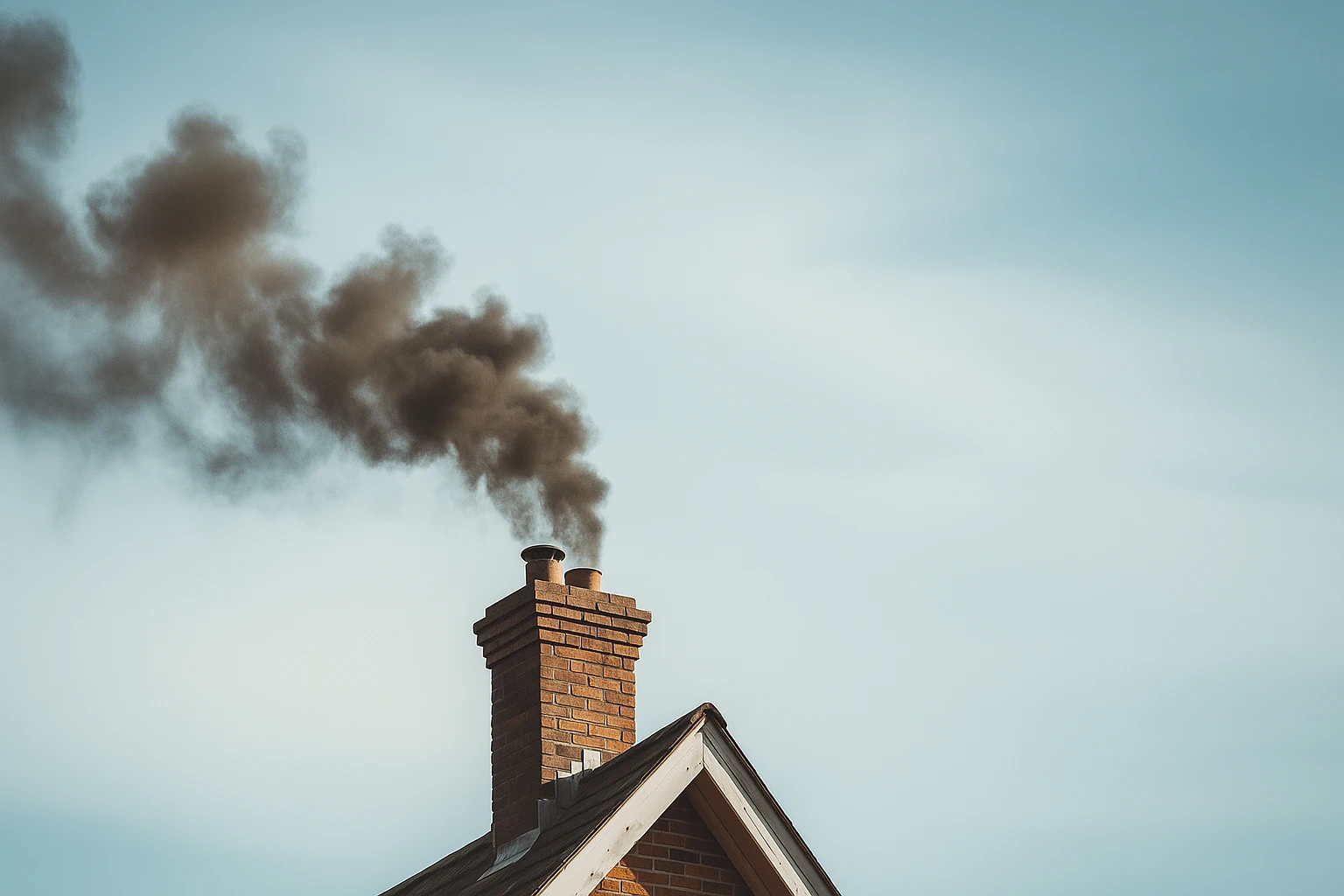
Got an older house with a fireplace? Here’s a question for you. When’s the last time you had your chimney checked? Last year? Five years ago? Can’t remember?
If you’re living in a home that’s 50, 70, or even 100 years old, your chimney needs way more attention than you think. And yeah, it’s going to cost you more in maintenance. But you know what costs even more? A house fire. Or carbon monoxide poisoning.
Let us tell you why older homes and their chimneys are a whole different ballgame.
How Often Does Your Chimney Need Sweeping?
Before we talk about why old houses are different, let’s cover the basics of chimney inspection. The National Fire Protection Association says every chimney should be inspected at least once a year. That’s every chimney. New or old.
But here’s where it gets interesting. If you use your fireplace a lot – like more than three times a week during winter – you need it cleaned twice a year. And if your house is old? You might need even more than that.
| New homes (under 30 years) | Once a year | Twice a year |
| Older homes (50+ years) | Twice a year | Three times a year |
| Historic homes (75+ years) | Twice a year minimum | Every 3-4 months |
Why Older Homes Require More Frequent Chimney Sweep Services?
Your grandparents’ house wasn’t built with the same standards we have today. Back then, they just didn’t know what we know now about chimney safety.
Most older homes don’t have chimney liners. Chimney liners didn’t become standard until the 1950s. Before that? They just built brick chimneys and called it a day. No liner. No protection.
Without a liner, all that heat and smoke goes straight against your bricks. Over decades of use, this eats away at the masonry. It’s called pyrolysis. The bricks get hot over and over. They dry out. They crack. They crumble.
That’s not all. The acidic stuff from burning wood, it attacks the mortar between your bricks. Year after year. Fire after fire. The mortar breaks down. Your chimney develops gaps. Those gaps let heat escape where it shouldn’t. And that’s how house fires start.
Common Chimney Problems in Historic and Aging Homes
Living in an older home means dealing with issues that new houses just don’t have. Your chimney has been standing there for 60, 70, maybe 100 years. It’s been through a lot.
Here’s what happens over time:
- The whole house settles. Your foundation sinks slowly into the ground. This makes your chimney lean or crack. Even small cracks let water in. Water freezes. Ice expands. Cracks get bigger. The cycle never stops.
- Bricks start spalling. That’s when bricks crack, flake, or break apart. Happens from freeze-thaw cycles and moisture. Once it starts, it spreads. Bad spalling can make your chimney collapse.
- Mortar deteriorates faster. Old mortar wasn’t as good as what we use now. Weather beats it down. Rain. Snow. Ice. Sun. After 50 years, that mortar is barely holding on.
- Animals move in. Old chimneys without proper caps become home to birds, squirrels, raccoons. They build nests. They die inside. All that stuff blocks your chimney. Smoke can’t get out. Carbon monoxide comes into your house instead.
One guy we know bought a beautiful 1920s home. Used the fireplace all winter. Never had it checked. Come spring, the chimney sweep found a huge bird nest blocking half the flue. He’d been breathing smoke and carbon monoxide for months and didn’t even know it.
Why Older House Chimneys Need More Frequent Chimney Sweeps?
All these structural problems mean one thing. Creosote builds up faster in older chimneys. Creosote is that black, tar-like stuff that sticks to your chimney walls when you burn wood. It’s highly flammable. When it builds up to 1/8 inch thick, it can catch fire. And chimney fires are no joke. They burn at over 2000 degrees. They can crack your chimney. Spread to your house. Destroy everything.
In a newer chimney with a liner and good structure, creosote builds up slowly. You can probably get away with one cleaning a year if you don’t use it much.
In an older chimney? Everything’s working against you. Cracks in the masonry. Missing liner. Poor draft. Moisture problems. All of this makes creosote accumulate way faster.
Plus, structural issues in older chimneys create spots where creosote collects more. Uneven surfaces. Rough bricks. Deteriorated areas. It all adds up.
You may also like: How Much Does It Cost to Clean a Chimney in Philadelphia?
The Hidden Costs of Skipping Regular Chimney Maintenance
A chimney sweeping costs between $130 and $380. The average is around $250. That’s for a basic chimney cleaning. Seems like a lot, right? Until you compare it to what happens if you skip it. A chimney fire can cause $10,000 to $30,000 in damage. A full chimney rebuild runs $4,000 to $15,000. Carbon monoxide poisoning? That can kill you. Can’t put a price on your life.
And here’s something most people don’t think about. Your homeowner’s insurance might not cover damage if you weren’t maintaining your chimney. They can deny your claim if you can’t show regular inspections and cleanings.
What Professional Chimney Sweep Services Include for Older Homes?
When you hire a good chimney sweep, they don’t just brush out some soot and leave. They inspect everything.
They check for:
- Creosote buildup and clean it out
- Cracks in the chimney structure
- Missing or damaged chimney liners
- Deteriorated mortar that needs repair
- Animal nests or other blockages
- Water damage or leaks
- Proper draft and airflow
- The condition of your chimney cap and crown
For older homes, this inspection is critical. A professional can spot problems before they become dangerous. Maybe your mortar needs repointing. Maybe you need a liner installed. Maybe your chimney is leaning and needs stabilization.
These aren’t things you can see from your couch.
Protect Your Historic Home with Regular Chimney Sweeping
Chimney sweeping isn’t exciting. It’s not fun to spend money on. You’d rather use that cash for something you can actually see and enjoy. If you’re living in an older home, your chimney is a ticking time bomb without proper maintenance. Every fire you burn. Every year that passes. The risks keep growing. That beautiful historic house you love? It deserves to be protected. Your family deserves to be safe. And honestly, regular maintenance is way cheaper than emergency repairs or rebuilding after a fire.
At TipTop Maintenance, we’ve seen what happens when people put off chimney maintenance. We’ve also seen chimneys that lasted another 50 years because the owners took care of them. Call a professional chimney sweep today. Get that inspection scheduled. Find out what your chimney really needs. Because the only thing scarier than the cost of maintenance is the cost of not doing it.
Your old house has stood strong for decades. Make sure it stands for decades more.